A buyer comes to me with a preapproval letter for $650,000 and a very specific idea of what that number should buy in Chester Springs: a single-family house, a decent lot, maybe a finished basement. Then they see a listing for a stone farmhouse on four acres for $1.4 million a mile away, and a townhome with a clubhouse and pool for $460,000 two miles in the other direction, and the math stops making sense. It isn't supposed to make sense, because "Chester Springs" on a portal search bar is not one market. It's three, stacked loosely inside the same zip code, and each one runs on a different set of rules for financing, maintenance, and what happens the first time something breaks.
That distinction matters more than the median price ever will, because the tier a buyer lands in determines the mortgage product they qualify for, whether they're calling an HOA or a well contractor when something goes wrong, and how long closing takes if a septic system needs attention first.
The three tiers, and why the line between them isn't about taste
The first tier is attached and entry-level: townhomes and carriage homes generally priced from around $400,000 to $525,000. Communities like Weatherstone offer this product alongside its larger detached homes, with amenities such as a clubhouse, tennis courts, and both indoor and outdoor pools bundled into a per-square-foot HOA fee that runs close to $9. Byers Station is another name buyers hear often in this range. Public water and sewer service these homes, which quietly removes an entire category of due diligence from the transaction.
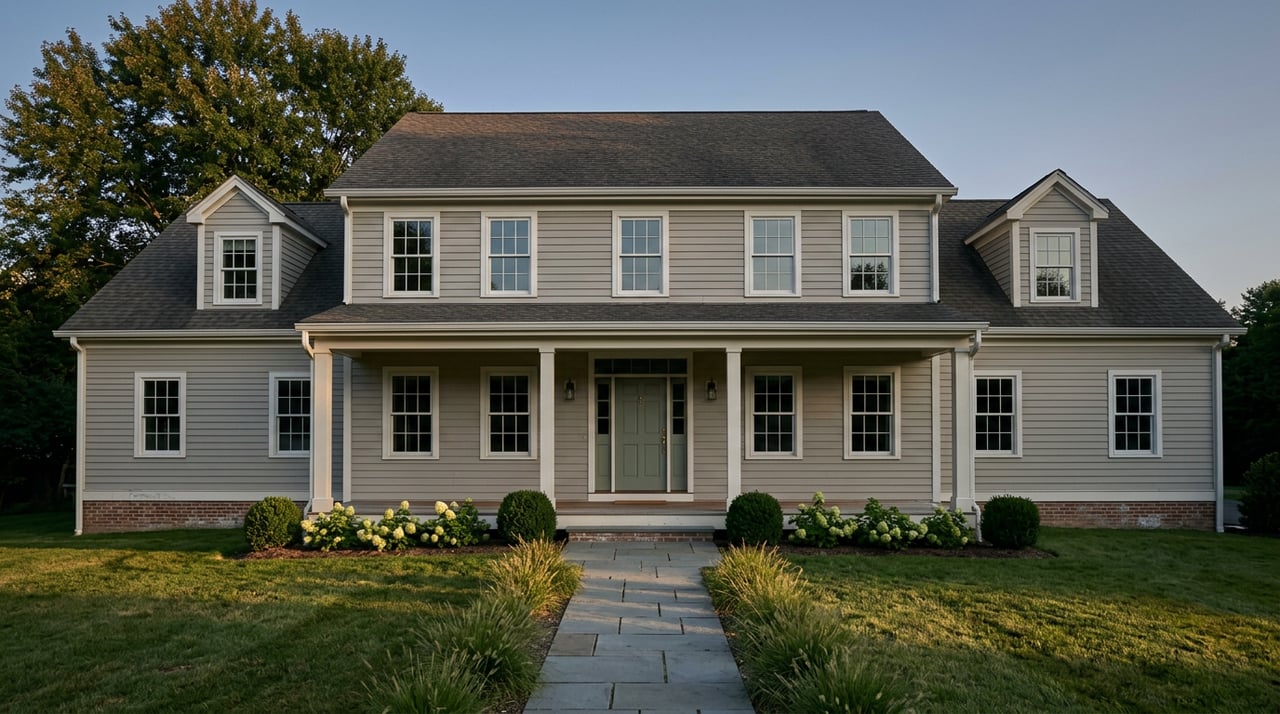
The second tier is the broad middle: standard single-family homes on quarter- to half-acre lots, typically running from the mid-$500,000s to $750,000 or more. This is where names like Reserve at Eagle, Pickering Estates, and Windsor Ridge come up constantly. Reserve at Eagle sits in Upper Uwchlan Township, was largely built in the early 2000s, and carries recorded covenants that buyers are told to verify directly with the association rather than assume. Homes here often still connect to public utilities, though pockets on the township's rural edges rely on private systems, so the assumption that "detached equals well and septic" doesn't hold as cleanly as it does once you cross into the third tier.
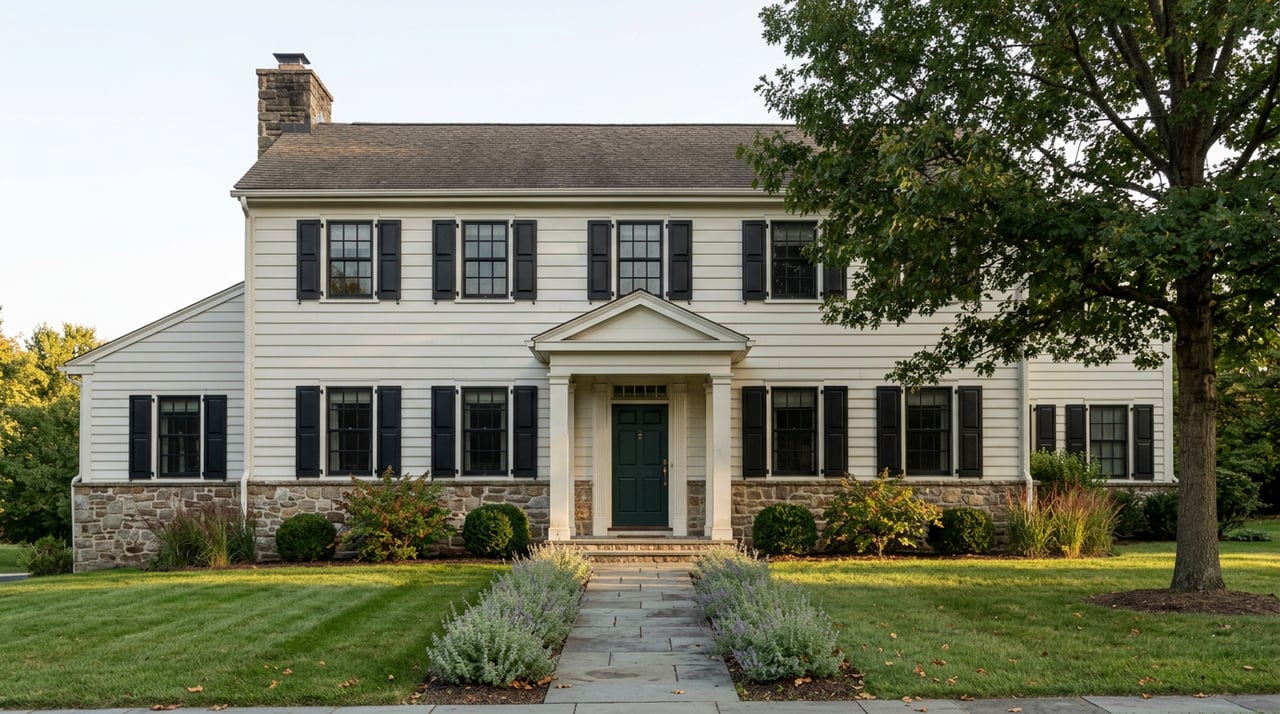
The third tier is the one that makes Chester Springs look expensive on paper: historic fieldstone farmhouses, custom estates, and equestrian properties concentrated toward Birchrunville and the township's rural west side, typically priced from $1 million to well above $2 million. Land itself carries a real premium out here, with recent equestrian-property listings in the area averaging somewhere north of $100,000 per acre. This is also where the financing and infrastructure questions stop being footnotes and start being the deal.
| Tier | Typical 2026 price range | Common communities | Utilities | Typical financing |
|---|---|---|---|---|
| Entry / attached | $400,000–$525,000 | Weatherstone (attached section), Byers Station | Public water and sewer | Conventional, FHA-eligible |
| Standard detached | Mid-$500,000s–$750,000+ | Reserve at Eagle, Pickering Estates, Windsor Ridge | Mostly public; some private on township edges | Conventional, within conforming limits |
| Historic / equestrian | $1M–$2M+ | Birchrunville, West Pikeland acreage | Private well and septic, standard | Jumbo, past the conforming threshold |
The financing cliff most buyers don't see coming
Chester County's 2026 conforming loan limit sits at $832,750. Below that line, a buyer moving from a $460,000 townhome to a $700,000 detached home in Reserve at Eagle is still shopping with a conventional loan, the same broad underwriting standards, the same down payment flexibility. Cross into the historic farmhouse and equestrian tier, and most buyers land in jumbo territory almost immediately once the price clears that threshold. Jumbo underwriting typically wants a credit profile well into the 700s, a larger down payment than conventional buyers are used to, and often a year's worth of mortgage payments sitting in reserve after closing. For buyers who assumed a bigger down payment was the only difference between tiers, the reserve requirement is usually the one that catches them.
FHA buyers face their own version of this. Chester County's 2026 FHA loan limit is $630,200, which comfortably covers the entry-level and much of the standard tier but rules out the upper end entirely. A buyer targeting a farmhouse on acreage in Birchrunville needs to be having the jumbo conversation from the start, not discovering it after they've fallen for a listing photo.
The second cliff: who you call when the water tastes wrong
The financing line gets attention because it shows up in a preapproval letter. The infrastructure line gets less attention because it doesn't show up until an inspection contingency is already running.
Homes in the entry and most of the standard tier draw on public water and connect to public sewer. If a pipe fails, a municipal authority is generally involved. Homes in the historic and equestrian tier, and scattered properties on the rural edges of the standard tier, draw from a private well and treat their own wastewater through an on-lot septic system. Pennsylvania doesn't require a septic inspection at every sale statewide, but plenty of townships have their own point-of-sale requirements, and even where none exists, most lenders and title companies want proof the system works before they'll close. The Chester County Health Department is the agency that issues permits for these installations and enforces the state's onlot sewage rules when something goes wrong, and a general home inspector typically can't evaluate a septic system on their own. That job falls to a specialist who pumps the tank, checks the baffles, and tests the drain field, a step that adds time to the calendar most buyers don't budget for.
The regulations behind all of this aren't obscure. Pennsylvania's own code sets the baseline setback requirements, including the rule that a septic absorption area has to sit at least 100 feet from any private well, which is one reason lot size matters so much more once you're shopping the equestrian tier than it does in a townhome community with public utilities.
None of this makes the third tier a worse purchase. It makes it a different one, with its own calendar, its own specialists, and its own maintenance rhythm that an HOA fee simply replaces in the other two tiers.
The school boundary that doesn't follow the price tag
Chester Springs sits across parts of Upper Uwchlan, West Pikeland, and West Vincent townships, and the school district lines don't track neatly with the price tiers at all. Much of the area, including Reserve at Eagle and Pickering Estates, falls within the Downingtown Area School District, which runs the Downingtown STEM Academy, an IB World School that admits roughly 250 students out of about 600 eighth-grade applicants each year through an essay-and-recommendation process, not open enrollment. Other pockets of Chester Springs, particularly toward the township's western edge, fall instead within the Owen J. Roberts School District. Two homes a mile apart, similarly priced, can sit in different districts entirely, and township tax millage rates vary enough between East Caln, Uwchlan, and West Bradford that a buyer comparing two listings by list price alone is missing part of the real monthly cost. This is a detail worth confirming address by address rather than assuming from a zip code, since district and township lines here don't always match popular expectation.
What this actually means if you're shopping Chester Springs
The question worth asking isn't "what does Chester Springs cost." It's "which Chester Springs am I actually shopping for, and does my financing and my appetite for hands-on maintenance match it." A buyer comparing a Weatherstone townhome to a Birchrunville farmhouse isn't comparing two sizes of the same product. They're comparing an HOA-maintained, publicly serviced home against a private landholding with its own well, its own septic system, and its own financing tier. Both are legitimate ways to live in this part of Chester County. They're just not the same purchase, and treating them as points on one price scale is how buyers end up surprised at the settlement table.
A few questions worth asking early
Does every home in Chester Springs use well and septic? No. Public water and sewer service most of the entry and standard tiers. Private systems become common once you move into the historic farmhouse and equestrian tier, and they show up in isolated pockets elsewhere too, so it's worth confirming for any specific address rather than assuming based on the neighborhood name.
If the seller says the septic system is fine, do I still need an inspection? Most lenders and title companies will want documented proof, not a verbal assurance, and a standard home inspector typically isn't equipped to evaluate a septic system fully. Budgeting the extra time for a specialist inspection early keeps it from becoming a last-minute scramble before closing.
Why do some Chester Springs listings mention an HOA fee and others don't? It tracks closely with the tiers above. Attached and many standard-tier communities carry recorded covenants and dues that fund shared amenities and common-area maintenance. Once you're in acreage and private-system territory, that structure mostly disappears, and the maintenance responsibility shifts entirely to the owner.
If you're trying to figure out which version of Chester Springs actually fits your budget, your financing, and how much hands-on property maintenance you want to take on, that's exactly the kind of conversation worth having before you start touring. Jennifer Daywalt has spent 25 years working this exact stretch of Chester County and can walk you through which tier your preapproval really points to. Let's Connect.